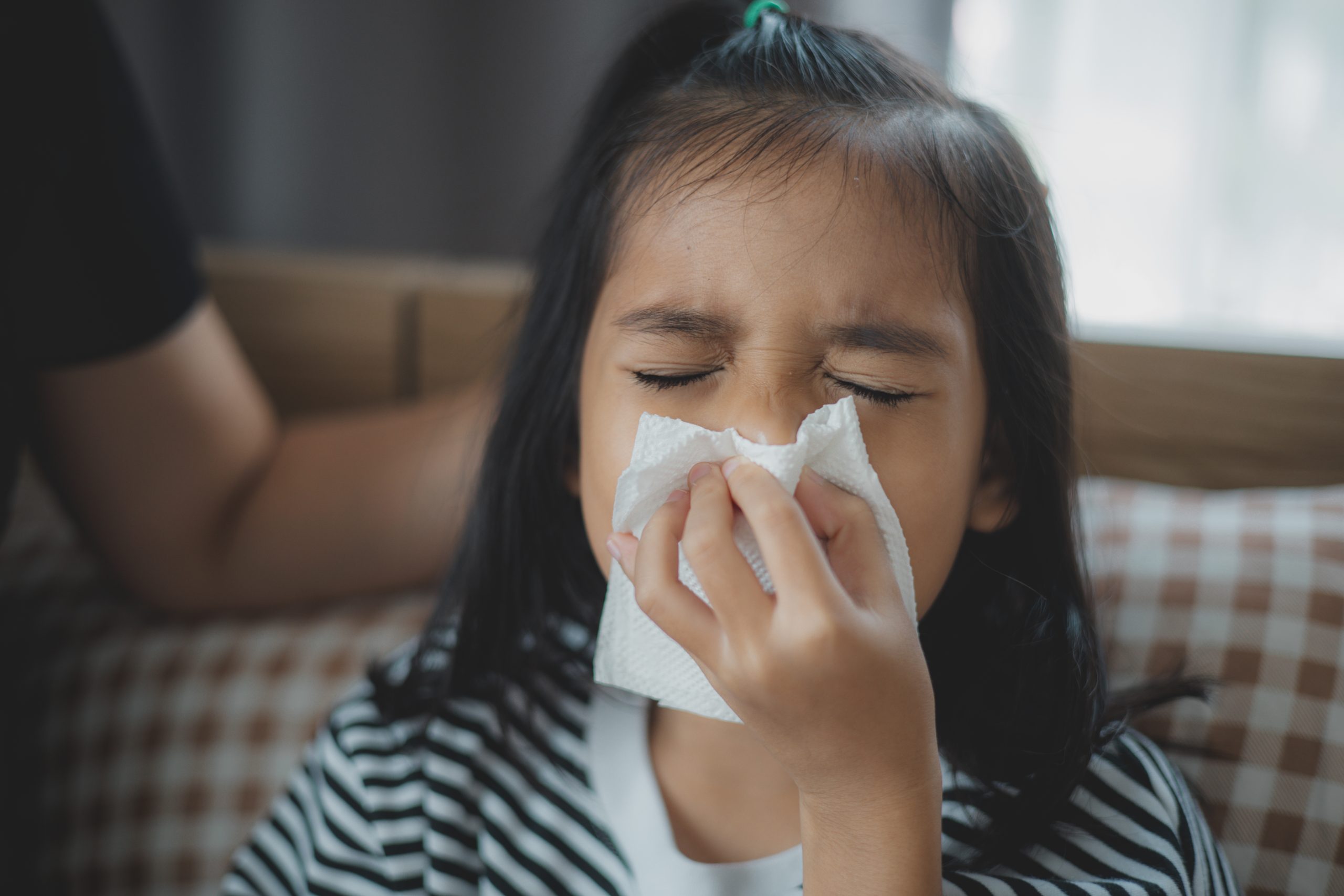
By February, Jessica’s kindergartener had missed six days of school. First it was a cold. Then stomach flu. Then another cold. “Is this normal?” she texted her pediatrician’s office. “Or is something wrong with his immune system?”
The answer: it’s completely normal, and also completely miserable. Young children average 6-8 respiratory infections per year, according to the American Academy of Pediatrics, and many of those cluster during winter months when kids are indoors more often, in close contact, and exposed to viruses that thrive in cold, dry conditions.
You cannot prevent your child from ever getting sick. But you can reduce frequency, severity, and complications with evidence-based strategies that actually work.
Why Winter Is Worse for Kids
Cold weather doesn’t directly cause illness, but it creates conditions that promote viral spread. Kids are indoors more often, in closer proximity to each other. Heated indoor air is dry, which dries out the protective mucous membranes in the nose and throat, making it easier for viruses to take hold. Many respiratory viruses survive longer in cold, dry conditions.
Additionally, winter means less sunlight exposure, which affects vitamin D levels. Research published in the Journal of Investigative Medicine suggests that adequate vitamin D supports immune function, and deficiency may increase susceptibility to respiratory infections.
What Actually Prevents Illness
Hand Washing: The single most effective prevention strategy. Teach children to wash with soap and water for 20 seconds (the length of singing “Happy Birthday” twice). Focus on key times: before eating, after using the bathroom, after playing outside, and after being in public spaces. The CDC identifies proper hand washing as the most important step in preventing the spread of infectious diseases.
Adequate Sleep: Sleep-deprived kids get sick more often. Preschoolers need 10-13 hours of sleep per 24 hours, school-age children need 9-12 hours, and teens need 8-10 hours. During sleep, the body produces cytokines, proteins that help fight infection and inflammation.
Nutrition: No single food prevents illness, but overall nutrition matters. Focus on variety: fruits, vegetables, whole grains, protein, healthy fats. Avoid using illness as an excuse for unlimited junk food (though some flexibility during acute illness is fine). The USDA’s MyPlate provides age-appropriate nutrition guidelines.
Vaccination: Flu vaccines reduce illness, hospitalization, and death from influenza. COVID vaccines reduce severe illness from coronavirus. Routine childhood vaccines prevent many serious diseases. Vaccination is one of the most effective public health interventions ever developed.
Avoid Sick People When Possible: If your child’s playmate is actively sick with fever, vomiting, or severe respiratory symptoms, reschedule the playdate. You cannot avoid all exposure, but you can avoid unnecessary exposure.
What Doesn’t Work (Despite What You’ve Heard)
Vitamin C Megadoses: Large doses of vitamin C do not prevent colds in children. Adequate vitamin C through diet is important, but supplementation beyond dietary intake doesn’t provide additional protection, according to research reviewed by the National Institutes of Health.
Echinacea: Studies on echinacea for children show inconsistent results and potential side effects. It’s not recommended for routine use in children.
Going Outside in Cold Weather: Cold air does not cause illness. Viruses cause illness. Your child will not get sick from going outside with wet hair or without a jacket (though they might be uncomfortable).
Antibacterial Everything: Most childhood illnesses are viral, meaning antibacterial products offer no benefit. Regular soap works as well as antibacterial soap for hand washing. Overuse of antibacterial products may contribute to antibiotic resistance.
When to Call the Pediatrician
Most winter illnesses resolve on their own with supportive care: rest, fluids, comfort measures. However, call your pediatrician if your child has:
- Fever over 100.4°F in infants under 3 months (this always requires evaluation)
- Fever lasting more than 3-5 days
- Difficulty breathing or rapid breathing
- Signs of dehydration (decreased urination, dry mouth, no tears when crying)
- Severe or persistent pain
- Lethargy or confusion
- Rash with fever
- Vomiting or diarrhea lasting more than 24-48 hours
Trust your instincts. If your child seems seriously ill, seek medical care even if symptoms don’t fit a specific list.
Managing Illness at Home
When illness strikes despite your best prevention efforts:
Fluids: The most important intervention. Offer water, milk, diluted juice, broth, or oral rehydration solutions. Avoid caffeinated or sugary drinks.
Rest: Let your child’s body use its energy for healing. Cancel activities, keep them home from school, allow more sleep.
Comfort Measures: Humidifiers add moisture to dry winter air. Saline nasal drops help with congestion. Honey (for children over 1 year) can soothe coughs. Acetaminophen or ibuprofen (following age-appropriate dosing) can reduce fever and pain.
Do Not: Give over-the-counter cough and cold medications to children under 4 years. These are not effective and carry risks. Avoid aspirin in children due to risk of Reye’s syndrome.
The Bottom Line
You cannot shield your child from every winter virus, and trying to do so may actually impair immune development. Exposure to common pathogens is how the immune system learns and strengthens.
Your goal isn’t zero illness. Your goal is reducing unnecessary illness through evidence-based prevention, recognizing when illness requires medical attention, and providing effective supportive care at home.
Concerned about frequent illness or winter health for your child? Schedule a pediatric appointment to discuss immune support, prevention strategies, and when to worry versus when to wait.
Sources
American Academy of Pediatrics. (2024). Respiratory Infections in Children. https://www.aap.org/
Centers for Disease Control and Prevention. (2024). Handwashing: Clean Hands Save Lives. https://www.cdc.gov/
National Institutes of Health, Office of Dietary Supplements. (2024). Vitamin C Fact Sheet. https://ods.od.nih.gov/
U.S. Department of Agriculture. (2024). MyPlate. https://www.myplate.gov/
Martineau, A. R., et al. (2017). Vitamin D supplementation to prevent acute respiratory tract infections: systematic review and meta-analysis. BMJ, 356, i6583.