
During a work presentation, Amanda coughed and felt the unmistakable warmth of urine leaking into her underwear. She was 38, successful, and hadn’t given birth yet. “This is supposed to happen to old ladies or women who’ve had multiple kids,” she thought, mortified. “Why is this happening to me?”
Stress urinary incontinence (SUI), leaking urine with physical activities like coughing, sneezing, laughing, exercising, or lifting, affects approximately 15-50% of women depending on age and risk factors, according to research published by the National Institute of Diabetes and Digestive and Kidney Diseases. It’s one of the most common and least discussed women’s health issues.
And contrary to popular belief, it’s not a normal part of aging or an inevitable consequence of childbirth. It’s a treatable medical condition.
What Causes Stress Urinary Incontinence
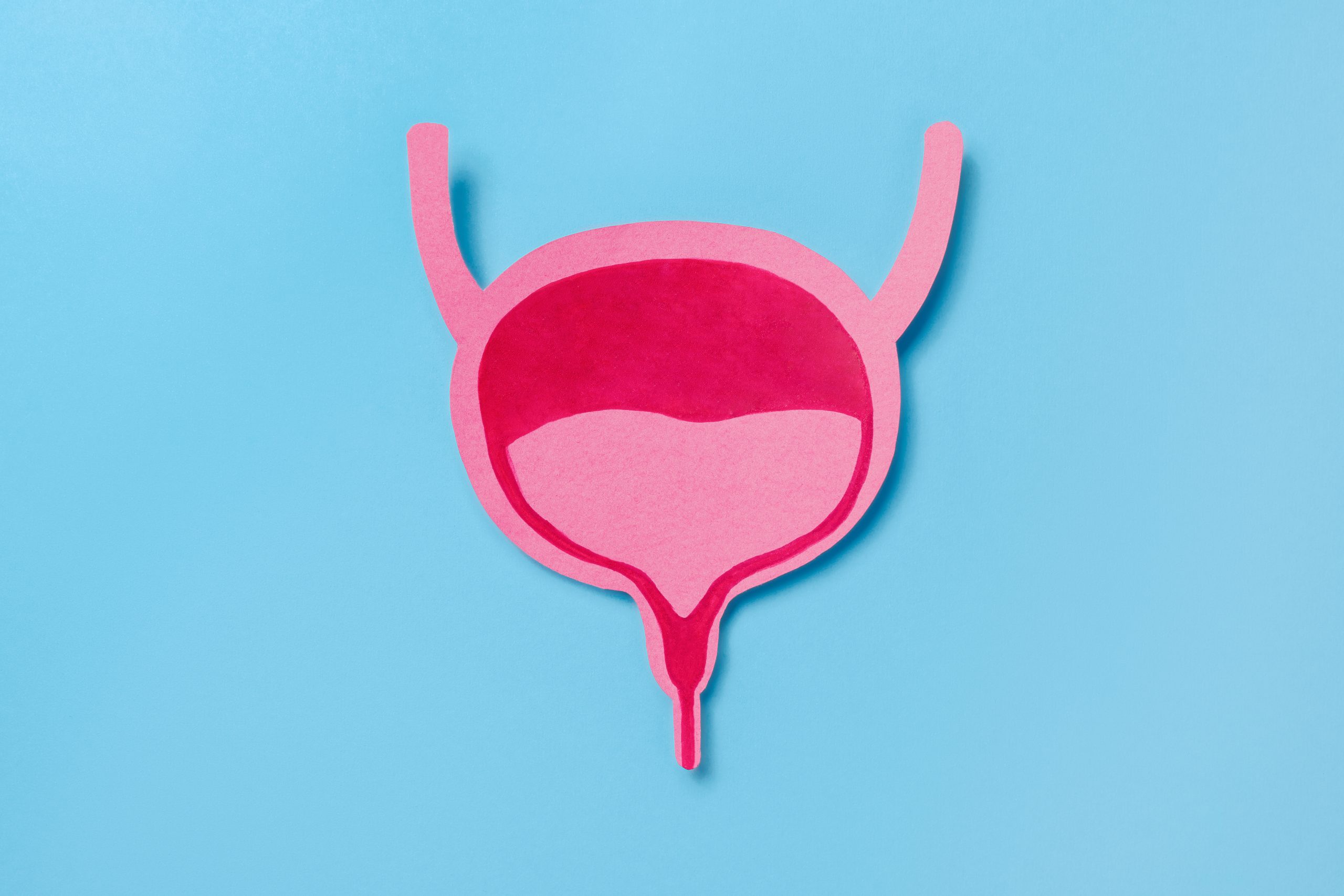
SUI occurs when the muscles and tissues supporting your bladder and urethra become weak or damaged. When you cough, laugh, sneeze, or exercise, abdominal pressure increases. Normally, the pelvic floor muscles and urethral sphincter contract to prevent leakage. When these structures are weakened, they can’t maintain sufficient pressure, and leakage occurs.
Common causes include:
Pregnancy and Childbirth: Vaginal delivery can stretch and damage pelvic floor muscles, nerves, and connective tissue. Even women who deliver via cesarean section experience some pelvic floor weakening from pregnancy itself. According to the American Urogynecologic Society, about one-third of women experience some urinary incontinence during or after pregnancy.
Aging and Menopause: Estrogen helps maintain the strength and elasticity of pelvic tissues. As estrogen declines during menopause, these tissues weaken. Additionally, aging itself affects muscle strength and nerve function.
Chronic Coughing: Conditions like asthma, chronic bronchitis, or smoking-related lung disease create repeated increases in abdominal pressure that stress the pelvic floor.
High-Impact Activities: Running, jumping, heavy lifting, and high-intensity exercise increase abdominal pressure and can contribute to pelvic floor dysfunction, especially if pelvic floor muscles aren’t strong enough to manage the load.
Obesity: Excess weight increases chronic pressure on the pelvic floor. Research from the Mayo Clinic shows that weight loss can significantly improve incontinence symptoms.
Previous Pelvic Surgery: Hysterectomy and other pelvic surgeries can damage pelvic floor support structures.
It’s Not Just About Childbirth
While childbirth is a major risk factor, plenty of women who’ve never been pregnant experience SUI. Nulliparous women (women who haven’t given birth) can develop incontinence due to genetics, connective tissue disorders, chronic constipation, chronic coughing, or high-impact athletics.
The assumption that SUI only affects mothers prevents many women from seeking treatment, leaving them suffering unnecessarily.
Treatment Options That Actually Work
Pelvic Floor Physical Therapy: This is first-line treatment for SUI and is remarkably effective. A specialized pelvic floor physical therapist teaches you how to properly engage pelvic floor muscles, provides exercises to strengthen them, and addresses any dysfunction in muscle coordination. According to the American College of Obstetricians and Gynecologists, pelvic floor physical therapy significantly improves or resolves symptoms in 60-70% of women with SUI.
Lifestyle Modifications: Weight loss if overweight, treating chronic cough, avoiding bladder irritants (caffeine, alcohol, acidic foods), and managing constipation all help reduce symptoms.
Pessaries: These are removable devices inserted into the vagina that support the bladder and urethra, preventing leakage. They’re particularly useful for women who want to avoid surgery or who aren’t surgical candidates.
Urethral Bulking Injections: Injectable materials can be placed around the urethra to provide additional support and resistance, reducing leakage.
Surgery: When conservative treatments don’t provide adequate relief, surgical options include mid-urethral sling procedures, which have high success rates (80-90%) for appropriately selected patients. The American Urological Association provides guidelines on surgical management of SUI.
What You Can Do Right Now
See a Urogynecologist: Urogynecologists are OB-GYNs with additional training in pelvic floor disorders. They can properly diagnose your condition, rule out other causes of leakage, and create a treatment plan tailored to your situation.
Don’t Accept “That’s Normal”: Incontinence is common, but it’s not normal and it’s not something you have to live with. Many primary care providers and even some OB-GYNs dismiss incontinence concerns, but specialists take them seriously.
Don’t Wait: Pelvic floor dysfunction typically worsens over time without treatment. Early intervention is more effective than waiting until symptoms are severe.
Stop Doing Kegels Wrong: Most women perform Kegel exercises incorrectly, either using the wrong muscles or doing them at the wrong time. A pelvic floor physical therapist ensures you’re doing them correctly and that they’re appropriate for your specific dysfunction.
The Bottom Line
Stress urinary incontinence is a medical condition with effective treatments. You do not have to plan your life around bathroom locations, wear pads daily, or avoid activities you enjoy because you’re afraid of leaking.
Whether you’re 28 or 68, whether you’ve had five children or zero, if you’re experiencing urinary leakage with coughing, sneezing, laughing, or exercise, treatment is available. The first step is talking to a specialist who takes your concerns seriously and has expertise in pelvic floor disorders.
Experiencing urinary leakage with physical activity? Schedule a urogynecology consultation at MacArthur Medical Center. Our specialists provide comprehensive evaluation and evidence-based treatment for pelvic floor disorders, including stress urinary incontinence.
Sources
American College of Obstetricians and Gynecologists. (2024). Urinary Incontinence. https://www.acog.org/
American Urogynecologic Society. (2024). Pelvic Floor Disorders. https://www.augs.org/
American Urological Association. (2024). Stress Urinary Incontinence Guidelines. https://www.auaua.org/
Mayo Clinic. (2024). Urinary Incontinence. https://www.mayoclinic.org/
National Institute of Diabetes and Digestive and Kidney Diseases. (2024). Bladder Control Problems in Women. https://www.niddk.nih.gov/