Jessica’s period was five days late. Three pregnancy tests had come up negative, but still no bleeding. “I’m never late,” she told her best friend over coffee. “Never.” Her friend looked at her knowingly: “Didn’t you just host Thanksgiving for 20 people, work overtime to hit year-end deadlines, and fight with your mother-in-law about Christmas plans?”
Sometimes your body keeps score even when you’re trying to power through.
If your cycle has gone haywire between Thanksgiving and New Year’s, you’re not imagining things. Holiday stress can absolutely mess with your menstrual cycle, and understanding why can help you distinguish between normal disruptions and red flags that need medical attention.
The Stress-Hormone Connection
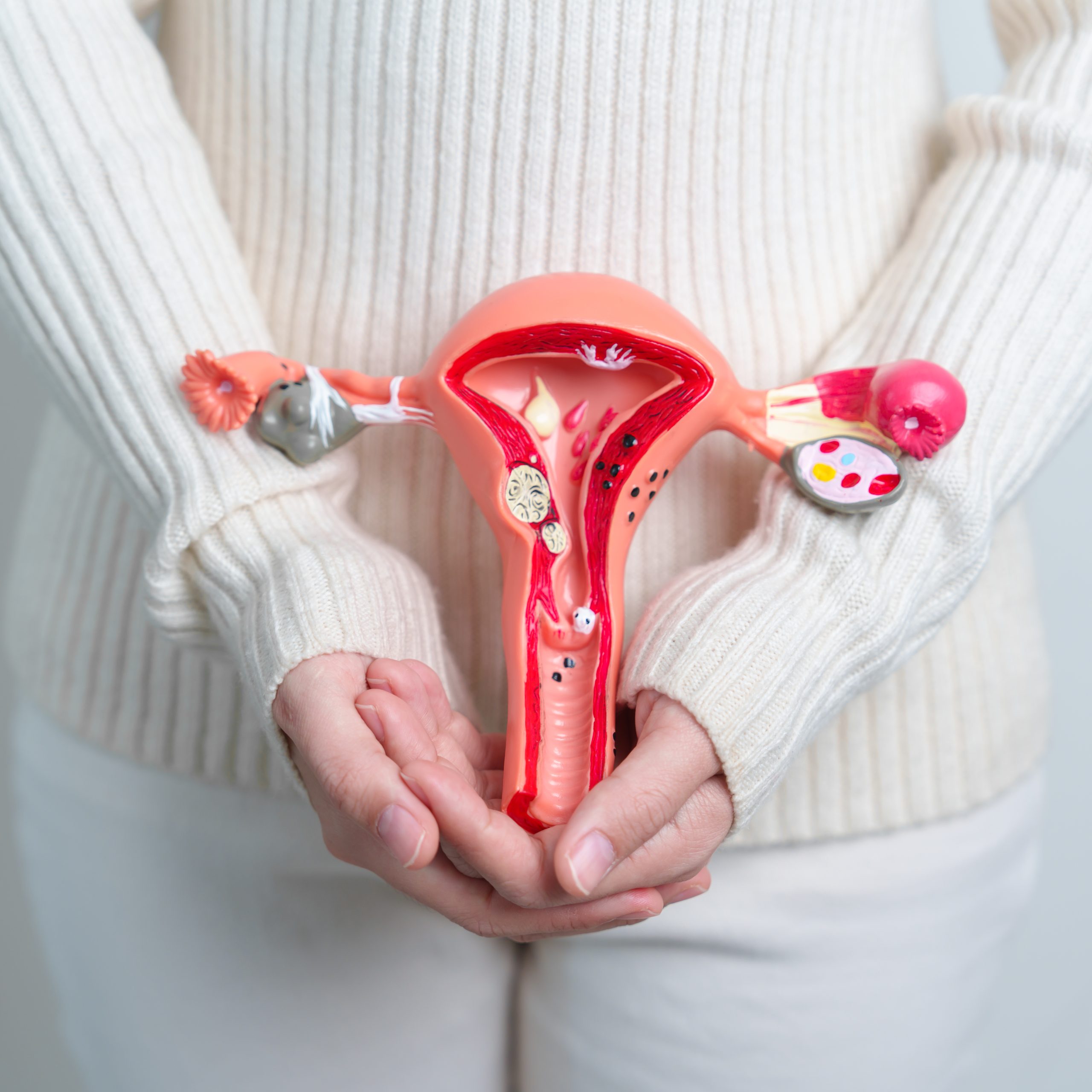
Your menstrual cycle isn’t just about your ovaries. It’s controlled by a complex communication system between your brain and reproductive organs called the hypothalamic-pituitary-ovarian (HPO) axis. When you’re stressed, your body releases cortisol, your primary stress hormone.
According to research published in the Journal of Clinical Endocrinology & Metabolism, elevated cortisol can suppress the normal pulsing of gonadotropin-releasing hormone (GnRH), which is essential for triggering ovulation. No ovulation means delayed or absent periods.
Think of it this way: when your body perceives a threat (even if that “threat” is just your credit card bill and family drama), it prioritizes survival over reproduction. Your body essentially says, “Now is not the time to get pregnant.”
How Holiday Stress Shows Up in Your Cycle
Late Periods: The most common stress-related cycle change. If you typically ovulate on day 14 but stress delays ovulation until day 20, your period will arrive roughly six days late.
Skipped Periods: Severe stress can prevent ovulation entirely. One missed cycle after an exceptionally stressful month isn’t necessarily cause for alarm, but it’s worth investigating if it happens repeatedly.
Heavier or Lighter Bleeding: Stress hormones can affect your uterine lining thickness and the hormones that regulate menstrual flow. You might experience unusually heavy bleeding or barely-there spotting.
Worse PMS: Holiday stress + hormonal fluctuations = a perfect storm for mood swings, fatigue, breast tenderness, and irritability. The American Psychological Association notes that chronic stress amplifies PMS symptoms significantly.
Irregular Timing: If you’re usually like clockwork and suddenly your cycle is 25 days, then 35 days, then 28 days, stress is likely the culprit.
The Holiday Stress Trifecta
December brings a unique combination of stressors that can wreak havoc on your hormones:
1. Financial Pressure: Gift-buying, travel costs, hosting expenses. Money stress is one of the most potent cortisol triggers.
2. Sleep Disruption: Late-night shopping, party schedules, visiting relatives sleeping in your guest room. Poor sleep directly impacts hormone regulation. Research in Sleep Medicine Reviews confirms that inadequate sleep can alter menstrual cycle length and ovulation timing.
3. Dietary Changes: Holiday treats, alcohol at parties, and skipped meals between errands all cause blood sugar swings that affect insulin, which influences your reproductive hormones.
Add in family conflict, unrealistic expectations, and the general chaos of December, and you’ve got a recipe for cycle disruption.
When to Worry vs. When to Wait
Normal Stress-Related Changes:
- Your period is a few days to two weeks late, then arrives
- One skipped cycle after a particularly stressful month
- Slightly heavier or lighter flow than usual
- More intense PMS symptoms
Time to See Your Doctor:
- Missing three or more consecutive periods
- Bleeding so heavy you’re soaking through a pad/tampon every hour
- Severe pain that interferes with daily activities
- Bleeding that lasts longer than 7 days
- Any unusual symptoms like fever, severe cramping, or foul-smelling discharge
Don’t Forget: If there’s any chance you could be pregnant, take a test. “Stress” shouldn’t be your only explanation for a late period if you’re sexually active.
Managing Your Cycle Through the Holidays
You can’t eliminate holiday stress entirely, but you can minimize its impact on your cycle:
Prioritize Sleep: Aim for 7-9 hours nightly. Your hypothalamus needs adequate rest to regulate hormones properly.
Move Your Body: Exercise helps regulate cortisol levels. Even a 20-minute walk can help. The Mayo Clinic emphasizes exercise as one of the most effective stress management tools.
Eat Regularly: Don’t skip meals. Stable blood sugar supports stable hormones. Focus on protein and complex carbs to avoid blood sugar crashes.
Set Boundaries: It’s okay to say no to some invitations, to spend less on gifts, to skip the perfect Instagram-worthy holiday experience.
Track Your Cycle: Use an app or calendar to monitor changes. This helps you distinguish between one-off stress reactions and patterns that need medical attention.
The Bottom Line
Your menstrual cycle is a vital sign communicating how your body is handling stress. A disrupted cycle during the holidays doesn’t mean something is seriously wrong; it means your body is communicating that you need to take better care of yourself.
If January arrives and your cycle still hasn’t normalized, schedule a visit with your healthcare provider. But if you’re dealing with a stress-induced delay or disruption in December, give yourself some grace. Your body is doing exactly what it’s designed to do: protecting you.
Sometimes the best gift you can give yourself this holiday season is permission to slow down.
If your cycle has been irregular for several months or you’re concerned about hormonal health, schedule a consultation to discuss testing and treatment options.
References
- Nakamura, K., et al. (2008). Perceived job stress and menstrual cycle characteristics. Journal of Clinical Endocrinology & Metabolism, 93(7), 2655-2660.
- American Psychological Association. (2024). Stress Effects on the Body. https://www.apa.org/topics/stress/body
- Lateef, O. M., & Akintubosun, M. O. (2020). Sleep and Reproductive Health. Journal of Circadian Rhythms, 18, 1-10.
- Mayo Clinic. (2024). Exercise and stress: Get moving to manage stress. https://www.mayoclinic.org/healthy-lifestyle/stress-management/in-depth/exercise-and-stress/art-20044469
- Ferin, M. (1999). Clinical review 105: Stress and the reproductive cycle. Journal of Clinical Endocrinology & Metabolism, 84(6), 1768-1774.