
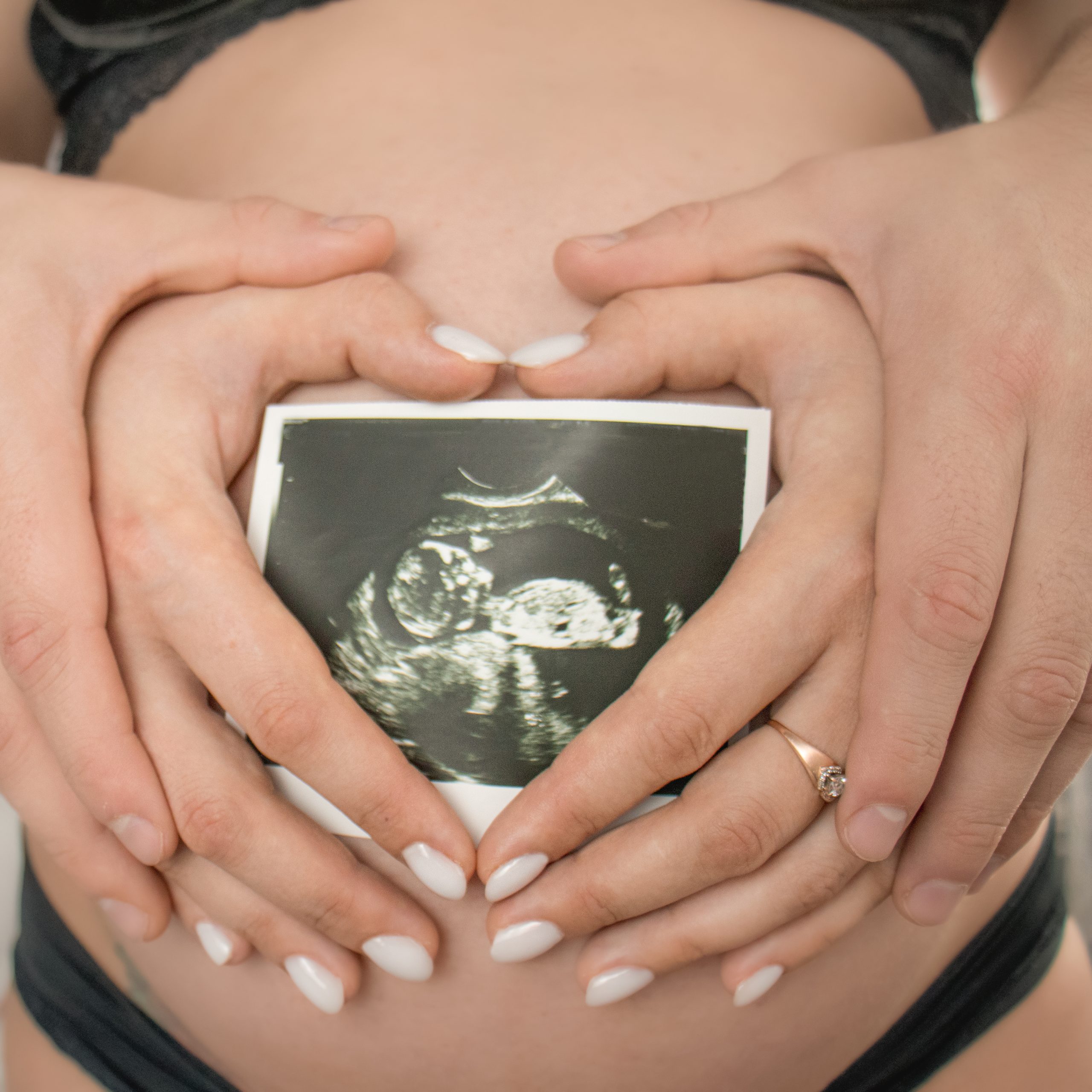
At midnight on New Year’s Eve, Maria whispered to her husband, “This is it. This is our year.” They’d been talking about starting a family for months, but something about January 1 felt like the perfect moment to begin. She’d already downloaded three fertility apps, ordered prenatal vitamins, and googled “how to get pregnant fast” approximately 47 times. What she didn’t realize: conception planning should actually start before you start trying.
If “have a baby” is anywhere on your 2026 resolution list, you’re not alone. January sees a surge in couples deciding to conceive. But unlike most New Year’s goals, this one benefits enormously from advance preparation. Here’s what you actually need to know before you start trying.
The Three-Month Preconception Window
Here’s something most people don’t realize: your egg quality today reflects your health from three months ago. The eggs that will ovulate in the coming months are already going through their maturation process in your ovaries, a journey that takes approximately 90 days from immature egg to ovulation-ready. The same goes for sperm, which take approximately 74 days to develop.
This means that what you do in January, February, and March directly impacts your fertility in April, May, and June. Starting healthy habits now pays dividends later.
Start These Five Things Today
1. Take Folic Acid (400-800 mcg Daily)
This is non-negotiable. Folic acid reduces the risk of neural tube defects by up to 70%, but it needs to be in your system before conception occurs. The neural tube closes within the first 28 days of pregnancy, often before you even know you’re pregnant.
The CDC recommends all women of reproductive age take folic acid daily, not just when actively trying to conceive. Look for a prenatal vitamin that includes it, along with iron, calcium, vitamin D, and DHA.
2. Schedule a Preconception Checkup
Before you start trying, see your healthcare provider for a preconception visit. This typically includes:
- Reviewing your medical history and current medications
- Updating vaccinations (especially rubella, chickenpox, and flu)
- Screening for sexually transmitted infections
- Discussing any chronic health conditions like diabetes, thyroid disorders, or high blood pressure
- Genetic carrier screening if you have risk factors
Many medications aren’t safe during pregnancy, so you’ll want to discuss alternatives now rather than after you’re already pregnant.
3. Know Your Cycle
You can’t optimize conception timing if you don’t know when you’re ovulating. Most women ovulate about 14 days before their period starts, but cycle length varies considerably.
Track your cycle using:
- A fertility app (there are dozens of good options)
- Basal body temperature (BBT) as your temperature rises during ovulation
- Ovulation predictor kits (OPKs) that can detect the luteinizing hormone surge which triggers ovulation
- Cervical mucus changes (fertile cervical mucus looks like raw egg whites)
According to research in Human Reproduction, your most fertile days are the five days leading up to ovulation and ovulation day itself. Having sex every 1-2 days during this window maximizes your chances.
4. Optimize Your Lifestyle
The basics matter more than you might think:
Body Weight: Both underweight and overweight can affect ovulation. A BMI between 18.5 and 24.9 is associated with optimal fertility. If you need to gain or lose weight, do it gradually and healthfully.
Limit Alcohol: Heavy drinking impairs fertility in both men and women. The American Society for Reproductive Medicine recommends women trying to conceive avoid alcohol entirely, as there’s no known safe amount during early pregnancy.
Quit Smoking: Smoking damages eggs and sperm, reduces fertility, and increases miscarriage risk. If you smoke, stop now. Ask your doctor about cessation programs.
Reduce Caffeine: High caffeine intake (more than 200mg daily, or about two cups of coffee) may be associated with decreased fertility and increased miscarriage risk. Consider cutting back now.
Manage Stress: Easier said than done, but chronic stress can interfere with ovulation. Practice stress-reduction techniques that work for you—exercise, meditation, therapy, whatever helps.
5. Get Your Partner Involved
Fertility isn’t just a “woman’s issue.” Male factor infertility accounts for about 40-50 percent of all infertility cases. Your partner should:
- Avoid excessive heat to the testicles (hot tubs, saunas, tight underwear)
- Limit alcohol consumption
- Quit smoking
- Maintain a healthy weight
- Consider a men’s fertility supplement with antioxidants
How Long Should It Take?
This is the question everyone wants answered. The reality: for healthy couples under 35, there’s approximately an 85-percent chance of conceiving within one year of trying. About 30 percent will conceive in the first cycle, 60 percent within three cycles, and 85 percent within 12 cycles.
The National Institutes of Health notes that age significantly impacts these statistics. If you’re under 35 and haven’t conceived after 12 months of regular, unprotected intercourse, it’s time to see a fertility specialist. If you’re over 35, seek help after six months.
When to Get Help Sooner
Don’t wait a full year if:
- You’re over 35
- You have irregular periods or no periods
- You’ve had pelvic inflammatory disease, endometriosis, or known reproductive issues
- Your partner has known fertility issues
- You have a history of recurrent miscarriages
Infertility is common. It affects about 1 in 8 couples, and it’s not your fault. Modern reproductive medicine offers many options, but early intervention often leads to better outcomes.
The Emotional Reality
Here’s what no one tells you: trying to conceive can be stressful. The monthly cycle of hope and disappointment, the pressure to time everything perfectly, the well-meaning questions from family. It’s a lot.
Give yourself permission to feel whatever comes up. Talk to your partner about expectations and how you’ll support each other. To reduce external pressure, consider limiting who you tell about your plans.
The Bottom Line
Starting a family is one of the biggest decisions you’ll ever make, and it deserves thoughtful preparation. By starting healthy habits now like taking folic acid, tracking your cycle, and optimizing your health, you’re giving yourself the best possible chance of a healthy pregnancy.
New Year’s resolutions are notorious for fizzling out by February, but this one is worth keeping. Your future baby is counting on you to start preparing today.
References
- American College of Obstetricians and Gynecologists. (2023). Planning for Pregnancy. https://www.acog.org/womens-health/faqs/planning-for-pregnancy
- Centers for Disease Control and Prevention. (2024). Folic Acid Recommendations. https://www.cdc.gov/ncbddd/folicacid/
- Wilcox, A. J., et al. (1995). Timing of sexual intercourse in relation to ovulation. New England Journal of Medicine, 333(23), 1517-1521.
- American Society for Reproductive Medicine. (2024). Optimizing Natural Fertility. https://www.asrm.org/
- National Institutes of Health. (2024). What are some possible causes of female infertility? https://www.nichd.nih.gov/health/topics/infertility
- Gaskins, A. J., & Chavarro, J. E. (2018). Diet and fertility: A review. American Journal of Obstetrics & Gynecology, 218(4), 379-389.